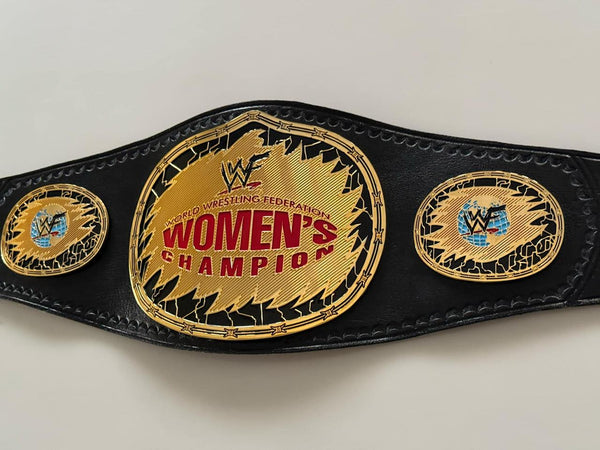
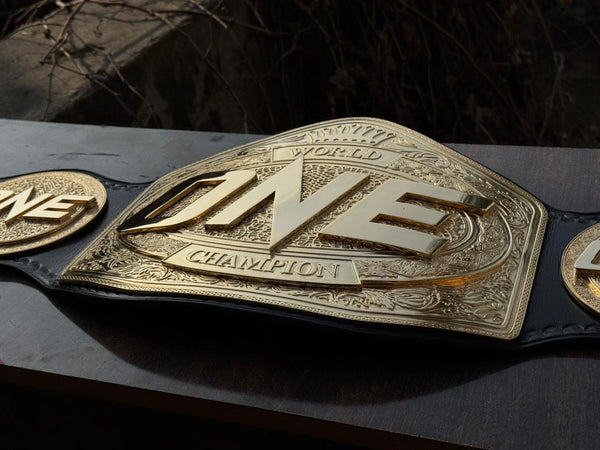
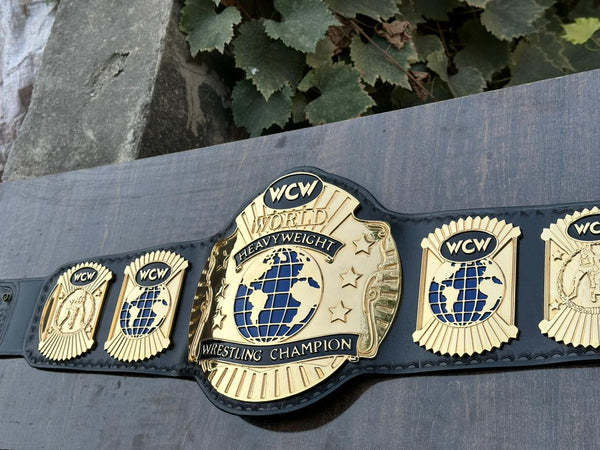
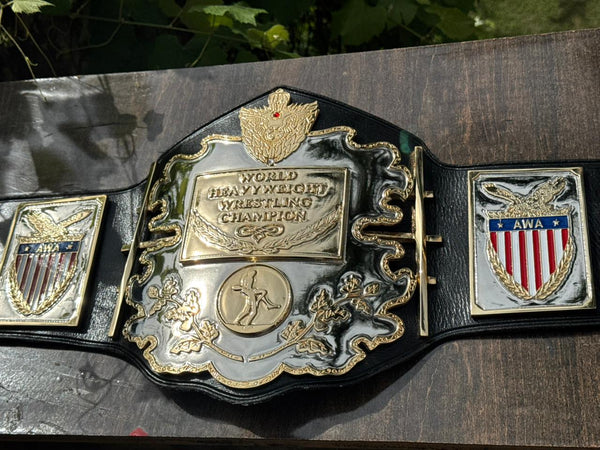
24K gold plating is a thin layer of real gold applied to the surface of the plates, the metal pieces on the front of the belt. It gives the plates a gold colour. It does not make the belt solid gold. Underneath the gold, the plate is still zinc alloy or brass, the two metals our plates are made from. At MS Belts gold plating is optional, and the price difference between the plated and unplated version of a belt is $70. Like all plating, it is a surface layer, so it can wear if it is rubbed with something abrasive, such as a rough cloth.
What it is and what it is not
| 24K gold plating is | 24K gold plating is not |
|---|---|
| A thin layer of real gold on the surface of the plates | Solid gold plates |
| Applied by electroplating, a process that uses an electric current | Gold paint or a printed gold colour |
| A finish that changes the colour of the plates | A change to the metal, the thickness or the design you chose |
| A surface that can wear with abrasion, which means rubbing | A coating that never wears |
| An option with a $70 price difference | A reason to value the belt for its gold content |
Plating is a finish on the metal plates. It has nothing to do with the leather strap.
What does 24K mean?
The K stands for karat, a measure of how pure gold is. Purity is counted in 24 parts. 24K is the name for pure gold, where all 24 parts are gold. Lower karat numbers mean the gold has been mixed with other metals, which changes its colour. So 24K describes the purity of the gold in the layer. It does not tell you how much gold there is.
What is electroplating?
Electroplating is a way of coating one metal with another. The plate is placed in a liquid that contains dissolved gold. An electric current then draws the gold out of the liquid and onto the plate, where it bonds to the surface as a thin layer. The plate itself does not change. It gains a gold surface. For the work that happens before this stage, see how belt plates are made.
How much gold is on the belt?
Very little. As general knowledge, a plated layer is a small fraction of a millimetre thick. The gold is there for colour, not for value, and a plated belt should not be bought or sold for its gold content.
We do not publish a plating thickness figure. If it matters for your order, email support@msbelts.com before you order.
What does a belt look like without gold plating?
That depends on the design and on the plate metal, so we will not describe it in general terms here. Each product page shows the design and the options you have selected. If you are not sure which finish a photo shows, email support@msbelts.com before you order and we will confirm it in writing.
Will the gold wear off?
It can, over time, if the surface is rubbed. This is true of plating on any object, from jewellery to taps. As a general rule, wear appears first on raised details and edges, because those are the parts that get touched and knocked.
A few habits slow it down:
- Wipe the plates with a soft, dry cloth. Do not use abrasive polish or a rough cloth.
- Store the belt so the plates do not rub against other hard objects.
- Keep the leather strap dry and away from heat.
The care, cleaning and storage guide covers this in more detail.
Does the metal under the gold matter?
Gold plating is a separate choice from the plate metal. Zinc alloy, our standard metal, takes plating well. Brass, the $100 upgrade, is denser and heavier. Once a plate is gold plated, the surface you see is the gold layer in either case. The guide to zinc alloy or brass compares the two.
Is it worth $70?
If you picture a championship belt as gold, this is the option that gives you that colour. It costs less than the brass upgrade and less than two steps of plate thickness. If you prefer the unplated finish, or the belt will be handled roughly and often, you may decide to leave it off. Neither choice changes the design, the strap or the fact that the belt is made to order.
Does plating change the other prices or the timing?
The $70 is separate from the other options. Brass adds $100, and each step up in plate thickness adds $40. A zinc alloy belt with 4 mm plates and gold plating costs $40 + $70 = $110 more than the standard build without gold plating. Before you compare two prices, check whether gold plating is selected on each product page. For more examples, see what a championship belt costs.
On timing, our general estimate is that most belts are made in about 5 to 6 working days. We do not publish a separate figure for plated belts. If you have a fixed date, tell us before you order and we will confirm the timing for your build in writing.
In short
- 24K gold plating is a thin layer of real gold on the surface of the plates. The belt is not solid gold.
- It is optional. The price difference between plated and unplated is $70.
- Plating can wear with abrasion. Use a soft, dry cloth and avoid abrasive polish.
- The plate underneath is still zinc alloy or brass, whichever you chose.
Next step
If you want the finish confirmed for a design of your own, send the details through the custom belt quote page and we will reply by email.