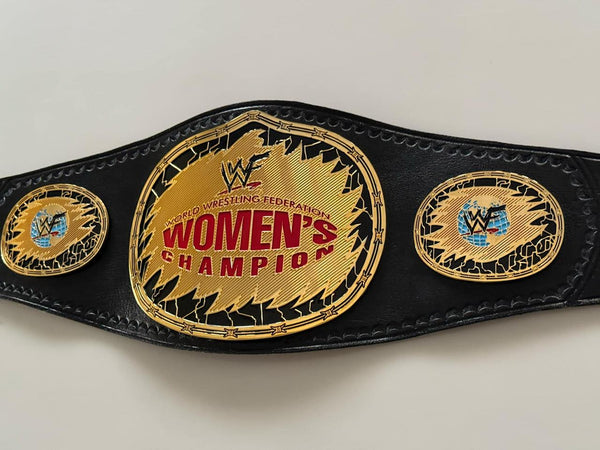
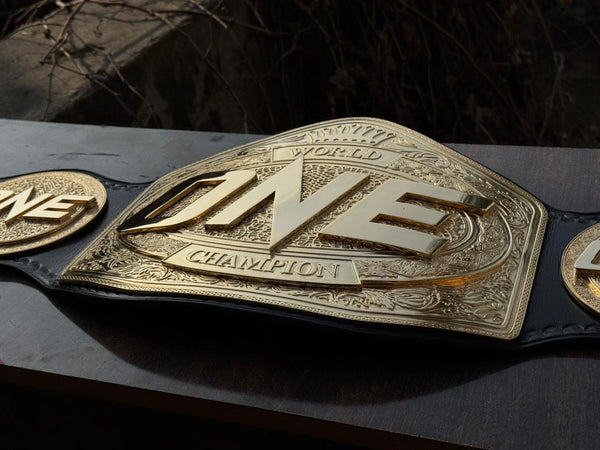
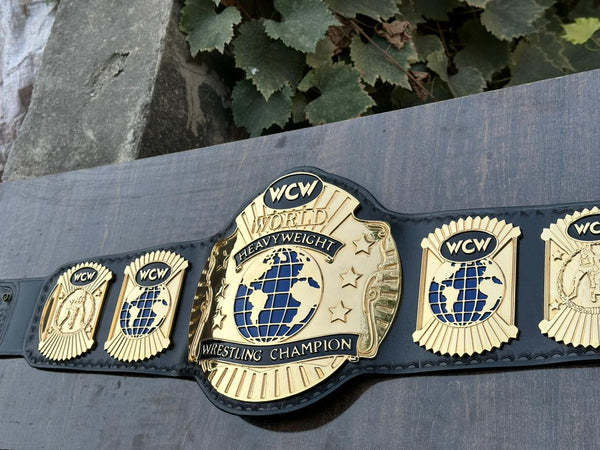
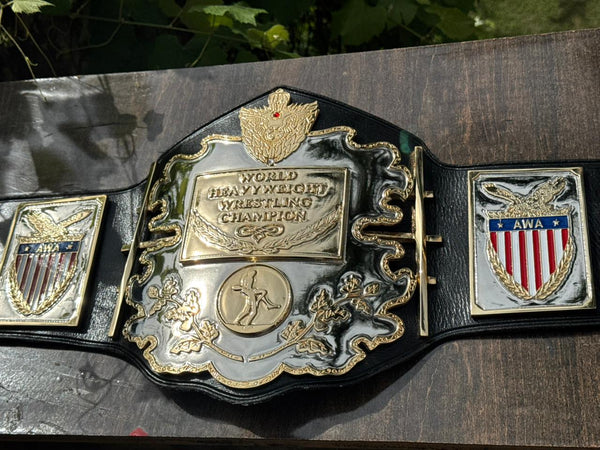
Plate thickness is how thick the metal plates on the front of your belt are, measured in millimetres (mm). MS Belts makes plates 2 mm thick as standard, with 4 mm, 6 mm and 8 mm as upgrades at $40 per step. A thicker plate does two things. It allows deeper relief, which means the design can stand further out from its background. It also weighs more. Thickness does not change the artwork or the strap. Stay at 2 mm for a lighter, lower-cost belt. Go thicker if you want more depth in the design and more weight in your hands.
The four options side by side
| Thickness | Price change | Room for relief | Weight | Consider it if |
|---|---|---|---|---|
| 2 mm | Included in the listed price | Least of the four | Lightest of the four | You want the lowest cost and a lighter belt to wear and pass around |
| 4 mm | +$40 | More than 2 mm | Heavier than 2 mm | You want more depth for one step in price |
| 6 mm | +$80 | More than 4 mm | Heavier than 4 mm | The belt will be worn sometimes and displayed often |
| 8 mm | +$120 | Most of the four | Heaviest of the four | The belt is mainly for display and you want the most depth and weight |
The comparisons assume the same design in the same metal. We do not publish belt weights, because weight depends on the design, the metal and the thickness together. If you need a figure, ask and we will confirm it in writing for your order.
What is a plate, and what is relief?
The plates are the metal pieces fixed to the front of the strap. A championship belt usually has one large centre plate and smaller plates on either side.
Relief is the difference in height between the raised parts of a design and the background behind them. Lettering that stands up from the surface is in relief. At MS Belts the plates are cut and engraved to the design, then finished by hand. A thicker plate gives more metal to cut into, so the design can have more depth. The guide to how belt plates are made explains the process in plain words.
What will you notice in real life?
- Shadow and depth. Deeper relief casts stronger shadows, so details stand out more from an angle and in photos.
- The edge. Seen from the side, a thicker plate has a taller edge.
- Weight. A thicker plate contains more metal, so the belt is heavier to hold up and to wear.
As a general rule, the difference is clearer up close, from the side and in the hand than it is from across a room.
What does thickness not change?
- The artwork. You are choosing how thick the plate is, not a different design.
- The strap. It is cowhide leather, about 50 to 51 inches (127 to 130 cm) long, whichever plate you choose. It fastens with snaps, which are press studs, and has several snap positions.
- The metal and the finish. The plate metal, which is zinc alloy or brass, and gold plating, which is a thin layer of real gold on the surface, are separate choices.
Which thickness should you choose?
Start from how the belt will be used.
- Passed around and worn a lot, for example a league trophy that changes hands each season: a thinner plate keeps the weight and the cost down.
- Worn by a child or a smaller adult: lighter is easier to wear, so stay thin.
- Displayed on a shelf, a wall or a desk: weight matters less, so a thicker plate gives you more depth to look at.
- Held up for photos or presented on a stage: deeper relief gives stronger shadows under lights.
- Not sure: 2 mm is the standard build. It is a complete belt, and the upgrades are optional.
There is no wrong answer here. Thickness is a preference, not a grade.
How do thickness and metal work together?
Thickness is not the only thing that adds weight. Brass is denser than zinc alloy, so a brass plate weighs more than a zinc alloy plate of the same size and thickness. If you want a heavier belt, you can go thicker, choose brass, or do both. Brass adds $100. The guide to zinc alloy or brass compares the two metals.
What does each step cost?
Each step up adds $40 to the listed price. From 2 mm to 4 mm is one step, so $40. From 2 mm to 6 mm is two steps, so $80. From 2 mm to 8 mm is three steps, so $120. For every option in one place, see what a championship belt costs.
Does a thicker plate take longer to make?
Our general estimate is that most belts are made in about 5 to 6 working days. We do not publish a separate figure for each thickness. If you have a fixed date and want a thicker plate, tell us before you order and we will confirm the timing for your build in writing. The guide to planning back from your event date shows how to count the weeks.
In short
- 2 mm is the standard thickness. 4 mm, 6 mm and 8 mm are upgrades at $40 per step.
- Thicker plates allow deeper relief and weigh more. The artwork and the strap stay the same.
- Choose thinner for a belt that is worn and passed around, and thicker for a belt that is mostly displayed.
- We do not publish belt weights. Ask and we will confirm the figure in writing for your order.
Next step
Open a design in the custom championship belts collection and choose the plate thickness on its product page.